LED vs Neon Signage: Which Is Right for Your Shop?
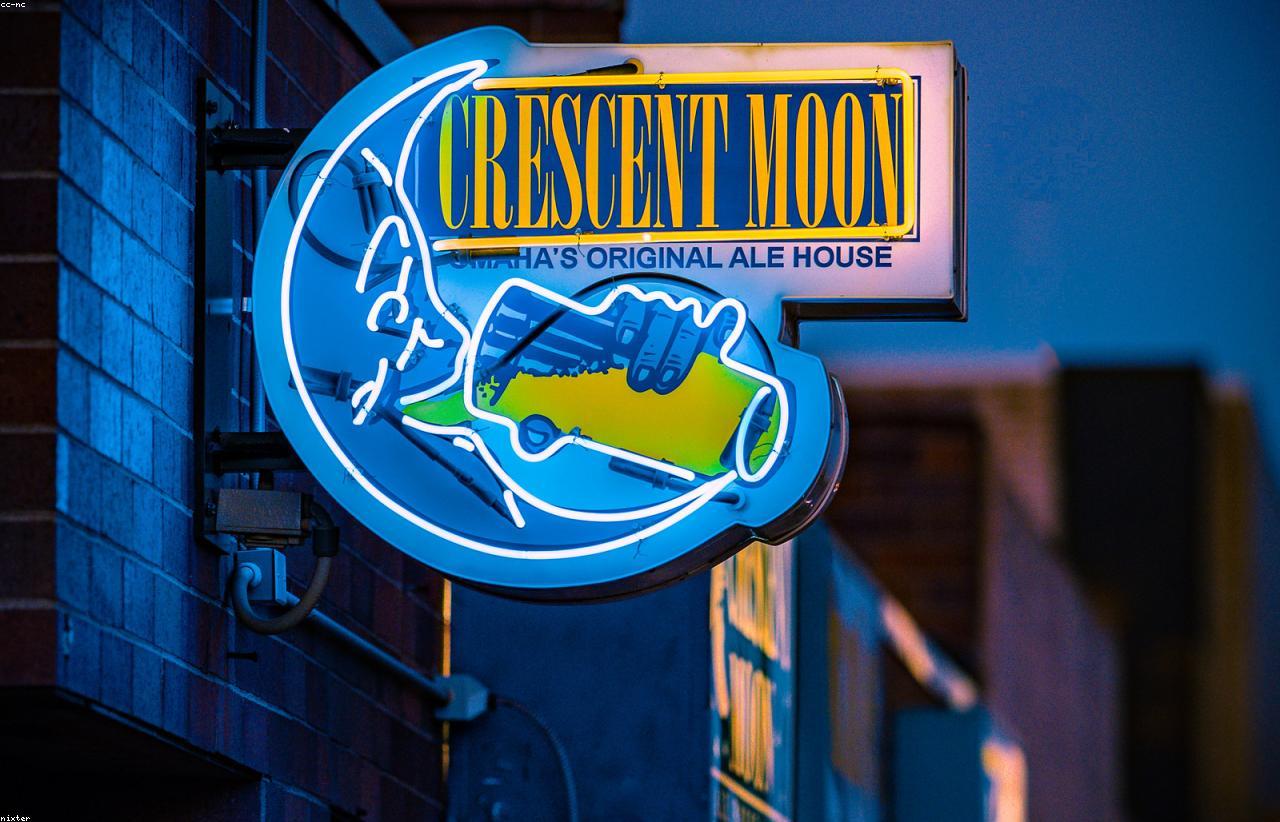
Nothing says "we're open and we mean business" like a glowing sign. But should you go with classic glass neon or modern LED neon-flex? Both look fantastic — the difference is in cost, durability and upkeep.
Traditional glass neon
Real neon is glass tubing filled with gas that glows when charged. It has a warm, nostalgic character that many cafés and boutiques love. The trade-offs: it's fragile, uses high voltage, consumes more power, and repairs mean re-bending glass by hand.
LED neon-flex
LED neon-flex is a flexible silicone strip packed with tiny LEDs that mimics the look of neon almost perfectly. It runs on low-voltage DC, sips electricity, survives knocks, and can be shaped into logos and script text easily.
Head-to-head
- Brightness: LED wins outdoors and in daylight; glass neon has a softer indoor glow.
- Running cost: LED uses up to 80% less power — noticeable on a sign that runs every evening.
- Lifespan: quality LED neon lasts 50,000+ hours; glass neon needs more frequent servicing.
- Safety: LED is low-voltage and cool to touch; glass neon runs at high voltage.
- Price: LED neon-flex is usually more economical to buy and to run.
So which should you choose?
For most shops, restaurants and clinics in Patna, LED neon-flex is the practical winner: brighter, cheaper to run, safer and lower-maintenance. Traditional glass neon still makes sense when you specifically want that vintage, hand-crafted aesthetic and the sign lives indoors.
Not sure which fits your space and budget? We make both, and we're happy to show you samples. Ask for a free consultation and we'll recommend the right option for your brand.